Is This Website Safe? 5 Ways to Spot a Fake Link or Phishing Scam.
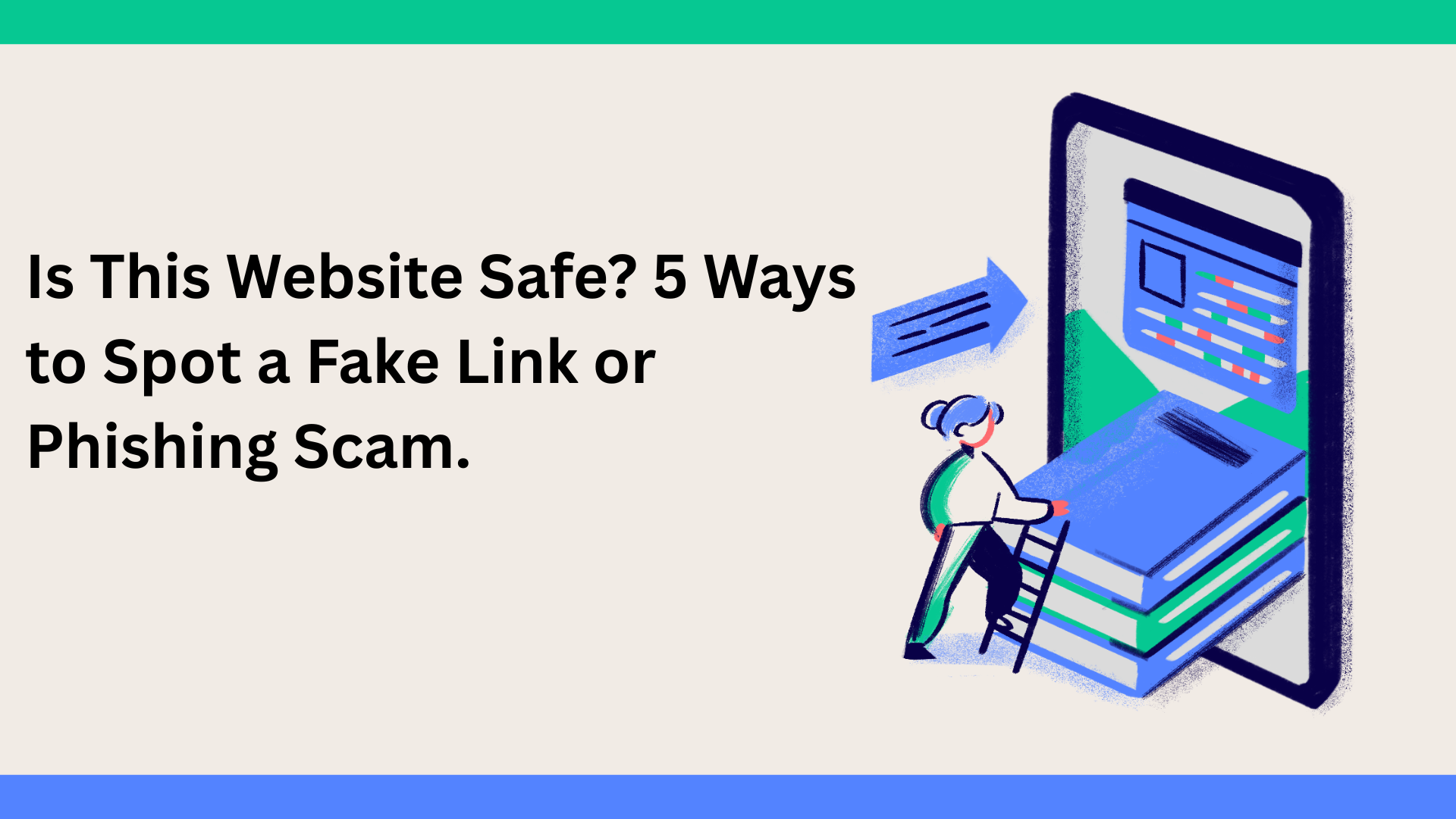
We have all received them: an email from "Netflix" saying your payment failed, or a message from "PayPal" asking you to verify your account. You click the link, and the website looks exactly like the real thing.
But is it?
Phishing attacks are the #1 cause of data breaches today. Scammers build perfect replicas of popular websites to steal your login credentials. However, no matter how good the design is, they cannot hide the technical facts.
Here are 5 ways to spot a fake website before it’s too late.
1. The "Typosquatting" Trick
Scammers often buy domain names that look almost identical to the real ones, hoping you won't notice the difference. This is called Typosquatting.
- Real:
amazon.com - Fake:
amaz0n.com(Zero instead of O) - Fake:
arnazon.com(r + n looks like m)
Always look closely at the URL bar. If the spelling is slightly off, close the tab immediately.
2. The Domain Was Created Yesterday
This is the biggest giveaway. Legitimate companies like Facebook, Microsoft, or your local bank have owned their domains for decades.
Phishing sites, however, are usually short-lived. A scammer registers a domain, uses it for 48 hours to steal passwords, and then abandons it.
How to check:
Copy the suspicious link and paste the main domain into our
3. No SSL Certificate (Not Secure)
Look for the padlock icon next to the URL. If the browser says "Not Secure" or the URL starts with http:// instead of https://, do not enter any personal data.
Note: Modern scammers sometimes get free SSL certificates, so having a padlock doesn't guarantee safety—but missing one is a definite red flag.
4. The "Urgency" Trap
Phishing sites and emails rely on panic. They use phrases like:
- "Your account will be deleted in 24 hours."
- "Immediate action required."
- "Suspicious activity detected."
Real security teams rarely threaten to delete your account via email. If you feel pressured to click, stop and think.
5. Hidden Redirects
Sometimes the link looks safe (e.g., https://www.google.com/search?q=google-drive-shared-file.com), but when you click it, it redirects you three or four times to a completely different, malicious page.
You can use our
Conclusion
The internet is useful, but it requires vigilance. Never trust a link blindly. When in doubt, verify the domain age and check the spelling.
Suspicious about a link?